

Quick Verdict
If you are choosing between a manual and automatic espresso machine for a small apartment, the best answer is not simply "manual tastes better" or "automatic is easier." The better choice is the workflow you can repeat on your real counter.
Choose a manual espresso maker if you need the quietest, smallest setup and you are willing to do more work by hand. The WACACO Picopresso is the manual example here because it stores small, uses no electric pump, and makes the tradeoff obvious: you still need hot water, fine grinding, tamping, and cleanup.
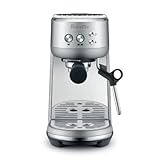
Choose a compact semi-automatic machine if you want to learn real espresso without buying a large appliance. The Breville Bambino is the beginner-friendly middle path because it gives you a pump-driven portafilter routine in a compact body, but it still needs a grinder plan and cleaning routine.
Choose a fully automatic machine if convenience matters more than counter size and hands-on control. The Philips 3200 LatteGo is the automatic example because it combines grinder, brewing, and milk-drink buttons in one appliance, but it is much larger than a manual brewer or compact semi-automatic machine.
Apartment Barista uses Amazon affiliate links. As an Amazon Associate, this site earns from qualifying purchases. Prices, sellers, return terms, model details, and availability can change, so check the current Amazon page before buying.
For more background, read the espresso machine buying guide for beginners, the best compact espresso machines for small kitchens, and the best burr grinders for beginner espresso.
Who This Guide Is For
This guide is for:
- apartment renters choosing a first espresso setup
- small-kitchen users who cannot give up a whole counter
- beginners confused by manual, semi-automatic, and fully automatic labels
- quiet-morning coffee drinkers with shared walls
- latte drinkers who need to think about milk cleanup
- buyers trying to decide whether convenience is worth the space
This guide is not for:
- commercial cafe equipment
- plumbed-in machines
- advanced hobbyists shopping for large dual-boiler setups
- readers who want a hands-on lab test comparison
- anyone expecting a machine to remove the need for fresh coffee, cleanup, and practice
The Need Behind This Guide
The confusing part is that "manual" and "automatic" are used loosely.
In this guide:
- Manual means a hand-powered espresso maker where you provide the pressure or force.
- Semi-automatic means the machine has an electric pump, but you still grind, dose, tamp, lock in a portafilter, start the shot, and usually steam milk.
- Fully automatic means the machine grinds, doses, brews, and often handles milk drinks through a built-in system.
For Apartment Barista readers, the decision usually comes down to three apartment questions:
- Do you have more patience than counter space?
- Do you need quiet more than convenience?
- Are you trying to learn espresso, or do you mainly want a fast milk drink?
That is why this article compares a manual option, a compact semi-automatic option, and a fully automatic option instead of pretending they are the same kind of appliance.
Quick Picks
| Pick | Best for | Why it fits |
|---|---|---|
| WACACO Picopresso | Manual quiet option | Tiny, hand-powered, and easy to store away, but it asks for careful grinding and more hands-on prep. |
| Breville Bambino | Beginner-friendly semi-automatic option | Compact enough for many apartment counters while still teaching a real portafilter workflow. |
| Philips 3200 LatteGo | Fully automatic convenience option | Combines grinder, brewing, and milk drink controls, but needs a larger permanent counter spot. |
These are comparison examples, not the only valid machines. Before buying, confirm the exact model, seller, condition, dimensions, included accessories, return policy, current price, and availability on Amazon.
Apartment Fit Checks
Before choosing a machine type, measure the whole routine, not just the appliance.
Check these things:
- the width, depth, and height of the counter spot
- cabinet clearance above the machine
- where the water tank or hot-water source will be
- whether a grinder can fit beside the machine
- where wet tools will dry after cleaning
- how much noise is acceptable in the morning
- whether milk cleanup will happen near the sink
- whether you can remove drip trays, waste bins, or brew groups without dragging the machine forward
A manual brewer may fit in a drawer, but it still needs a kettle, grinder, tamping space, and a cleanup spot. A fully automatic machine may reduce hand steps, but it needs a permanent footprint, beans, water, waste-bin access, milk-system cleaning, and descaling.
Small kitchens reward routines that are easy to repeat. If a setup only works when the counter is perfectly clean, it may become annoying after the first week.
What Matters Before Buying
Control vs convenience
Manual and semi-automatic setups give you more control over the shot. That can be rewarding, but it also means mistakes are easier to taste. Grind size, dose, tamping, water temperature, and timing all matter.
Fully automatic machines reduce the number of hand steps. That helps busy mornings, shared kitchens, and people who do not want espresso to become a hobby. The tradeoff is less control and more dependence on the machine's internal grinder, brew group, and cleaning system.
Counter space
The smallest manual setup can live in a drawer, but the complete routine still needs a grinder and kettle. A compact semi-automatic machine usually needs a machine zone plus a grinder zone. A fully automatic machine can replace a separate grinder, but the appliance itself is taller and deeper.
Noise
Manual brewing can be very quiet, especially if paired with a hand grinder. Semi-automatic machines add pump and steam-wand noise. Fully automatic machines add grinder noise, brewing noise, and sometimes milk-system noise in one appliance.
If your kitchen shares a wall with a bedroom, noise may matter more than a feature list.
Milk drinks
Manual espresso makers do not steam milk. If you want lattes, you need a separate frother or a different machine.
Semi-automatic machines with steam wands are better for learning latte workflow, but they add wiping, purging, pitcher rinsing, and counter cleanup.
Fully automatic machines can make milk drinks easier, but milk systems still need cleaning. Convenience does not mean maintenance-free.
Grinder plan
This is where beginners often buy the wrong setup.
A manual brewer like the Picopresso needs a capable fine grinder. A semi-automatic machine like the Bambino also benefits from an espresso-capable grinder. A fully automatic machine includes a grinder, but that grinder is part of the machine and not as flexible as a separate upgrade path.
If you are not ready to buy a grinder, read is a burr grinder necessary for espresso? before choosing the machine.
Product Examples
WACACO Picopresso
Best for: Manual quiet option
Why it was selected:
The WACACO Picopresso is the manual example because it makes the small-apartment benefit clear. It is tiny, stores easily, uses no electric pump, and current WACACO materials describe it as a hand-powered espresso maker with a 52 mm basket, 18 g ground capacity, and no built-in water heating.
Good fit if:
- you need the quietest espresso path
- you want a setup that can live in a drawer
- you already have or plan to buy a capable grinder
- you mostly drink straight espresso or Americanos
- you enjoy a hands-on routine
Skip it if:
- you want one-button drinks
- you do not want to grind fine and tamp carefully
- you mainly make lattes and need milk steaming
- you want the fastest beginner routine
- you dislike small parts cleanup
Small-space notes:
The Picopresso is physically much smaller than a countertop espresso machine, but the full routine still needs a kettle, grinder, cup, towel, and place to rinse parts. It is best for readers who want low noise and low counter commitment more than speed.
Tradeoff:
It saves space and avoids pump noise, but it moves more responsibility to you. If the grind is wrong or the prep is rushed, the machine will not hide it.
Amazon check:
Check the current Amazon seller, exact bundle, protective case, included accessories, return policy, current price, and availability. Also confirm that you are comfortable supplying hot water and an espresso-capable grinder.
Breville Bambino
Best for: Beginner-friendly semi-automatic option
Why it was selected:
The Breville Bambino is the middle-path example. Current Breville materials describe a compact footprint, 54 mm portafilter, fast heat-up system, manual steam wand, volumetric shot controls, and included accessories. That makes it a useful reference point for beginners who want to learn espresso without moving straight to a large machine.
Good fit if:
- you want a real portafilter workflow
- you can leave a compact machine on the counter
- you plan to add a grinder and scale
- you make some milk drinks and want a steam wand
- you want more learning control than a fully automatic machine
Skip it if:
- you want espresso with almost no hand steps
- you cannot spare room for a separate grinder
- you need a silent setup
- you want automatic milk handling
- you do not want to clean a steam wand and drip tray
Small-space notes:
The Bambino can fit many apartment counters, but it is still a setup, not just a machine. Leave space to lock in the portafilter, place a small cup scale, steam milk, empty the drip tray, and store a towel nearby.
Tradeoff:
It is more convenient than a hand-powered brewer and more compact than many all-in-one machines, but it does not solve the grinder problem for you.
Amazon check:
Check the current Amazon seller, exact model, color, condition, dimensions, included baskets and accessories, return policy, current price, and availability. Product pages can show similar Bambino and Bambino Plus details, so confirm the exact model before buying.
Philips 3200 LatteGo
Best for: Fully automatic convenience option
Why it was selected:
The Philips 3200 LatteGo is the fully automatic example because current Philips materials describe a built-in ceramic grinder, touch controls, multiple drink options, a LatteGo milk system, front-access water tank and waste container, guided descaling, and a removable brew group. It shows what automatic convenience buys you.
Good fit if:
- you want fast repeatable coffee drinks with fewer hand steps
- you do not want to choose a separate grinder right away
- you have a permanent counter spot for a larger appliance
- multiple people in the home want easy drinks
- you value convenience over learning manual espresso control
Skip it if:
- your counter is very shallow or low under cabinets
- you want the smallest possible setup
- grinder noise is a serious issue
- you want to dial in espresso like a separate grinder and portafilter setup
- you do not want to maintain an internal brew group and milk system
Small-space notes:
The Philips 3200 is convenient, but it is not tiny. Current Philips specifications list a larger body than a compact semi-automatic machine, so measure width, depth, height, front-access clearance, and cabinet clearance before considering it apartment-friendly.
Tradeoff:
It reduces daily hand steps by combining grinder, brewing, and milk features, but it asks for more appliance space and a different maintenance routine.
Amazon check:
Check the current Amazon seller, exact EP3241 model, condition, return policy, dimensions, included accessories, current price, and availability. If the featured seller is not the brand or Amazon, review the seller and return details carefully before buying.
Manual vs Semi-Automatic vs Fully Automatic
| Factor | Manual | Semi-automatic | Fully automatic |
|---|---|---|---|
| Space | Smallest appliance footprint | Compact to medium | Largest single appliance |
| Noise | Quietest if paired with hand grinding | Pump and steam noise | Grinder, brew, and milk-system noise |
| Effort | Highest | Medium | Lowest hand effort |
| Grinder | Usually separate and important | Usually separate and important | Built in |
| Milk drinks | Needs separate frother | Steam wand workflow | Built-in or automated milk system |
| Learning curve | High | Medium | Low for operation, medium for maintenance |
| Upgrade flexibility | Grinder and tools matter | Stronger separate upgrade path | Less flexible because the grinder is built in |
The apartment answer is usually simple:
- If space and noise are the hardest limits, manual is worth considering.
- If you want to learn espresso, semi-automatic is the best first category for many beginners.
- If convenience is the real goal, fully automatic can make sense if you can give it the counter space.
What I Would Do First
If this is your first espresso setup and you have a normal small apartment kitchen, start by deciding whether you want espresso as a hobby or coffee drinks as a convenience.
If you want the hobby, choose the compact semi-automatic path and keep money and space for a grinder. The Bambino-style setup is easier to grow with than a fully automatic machine.
If you want the quietest possible morning routine, consider the manual path. A Picopresso-style setup with a hand grinder can be compact and quiet, but only if you accept the extra hand work.
If you want other people in the home to press a button and get coffee, consider the fully automatic path. Just measure first. A machine that blocks the counter every day is not convenient for a small kitchen.
Do not buy accessories first. Choose the machine type, confirm the grinder plan, then add a scale, cleaning supplies, milk pitcher or frother, and storage only when the workflow is clear. The best espresso accessories for beginners guide is a better next step after the machine category is settled.
Common Mistakes
Thinking manual means easy. Manual can mean small and quiet, but it usually asks for more technique.
Thinking automatic means maintenance-free. Fully automatic machines still need water, beans, waste-bin emptying, milk-system cleaning, brew-group care, and descaling.
Ignoring grinder noise. The grinder can be louder than the espresso machine itself.
Measuring only the machine. Measure the grinder, kettle, milk pitcher, cup, scale, towel, cleaning space, and access path.
Buying a fully automatic machine for "better espresso" when the real goal is convenience. A superautomatic can be useful, but it is a different workflow from learning espresso on a portafilter.
Buying a manual brewer without checking the grinder requirement. Manual espresso still needs fine, consistent grinding.
Choosing by the lowest current Amazon price. Seller, condition, return terms, exact model, and included accessories matter more than a temporary deal.
FAQ
Is a manual espresso machine better than an automatic one?
Not automatically. A manual setup gives you more control and can be very compact, but it requires more skill and effort. An automatic machine gives you convenience, but it takes more space and gives you less control.
What is the best type for a beginner in a small apartment?
For many beginners, a compact semi-automatic machine is the best middle path. It teaches a real espresso routine without requiring a huge counter. Manual is better when quiet and storage are the top priorities. Fully automatic is better when convenience matters most.
Is the Picopresso good for daily apartment use?
It can be, if you like a hands-on workflow and already have the grinder plan solved. It is not the easiest path for daily lattes because it does not steam milk.
Is the Breville Bambino manual or automatic?
It is best treated as a compact semi-automatic espresso machine. The machine supplies pump pressure and shot controls, but you still handle the coffee prep, portafilter, and milk routine.
Is a fully automatic espresso machine worth it?
It can be worth it for convenience, shared households, and people who want fewer hand steps. It is less ideal for tiny counters, very quiet apartments, or buyers who want full control over the espresso process.
Do I still need a grinder with a manual or semi-automatic machine?
Usually yes, if you want traditional fresh-bean espresso. Manual and semi-automatic setups depend heavily on grind quality. A fully automatic machine includes a grinder, but that grinder is part of the appliance.
What should I check on Amazon before buying?
Check the exact model, seller, condition, return policy, dimensions, included accessories, current price, and availability. For automatic machines, also check the milk-system parts and maintenance accessories. For manual machines, check the bundle and grinder requirements.
Disclosure
Apartment Barista uses Amazon affiliate links. As an Amazon Associate, this site earns from qualifying purchases. Prices, sellers, return terms, product details, and availability can change at any time and should be checked on Amazon before buying.