


Quick Verdict
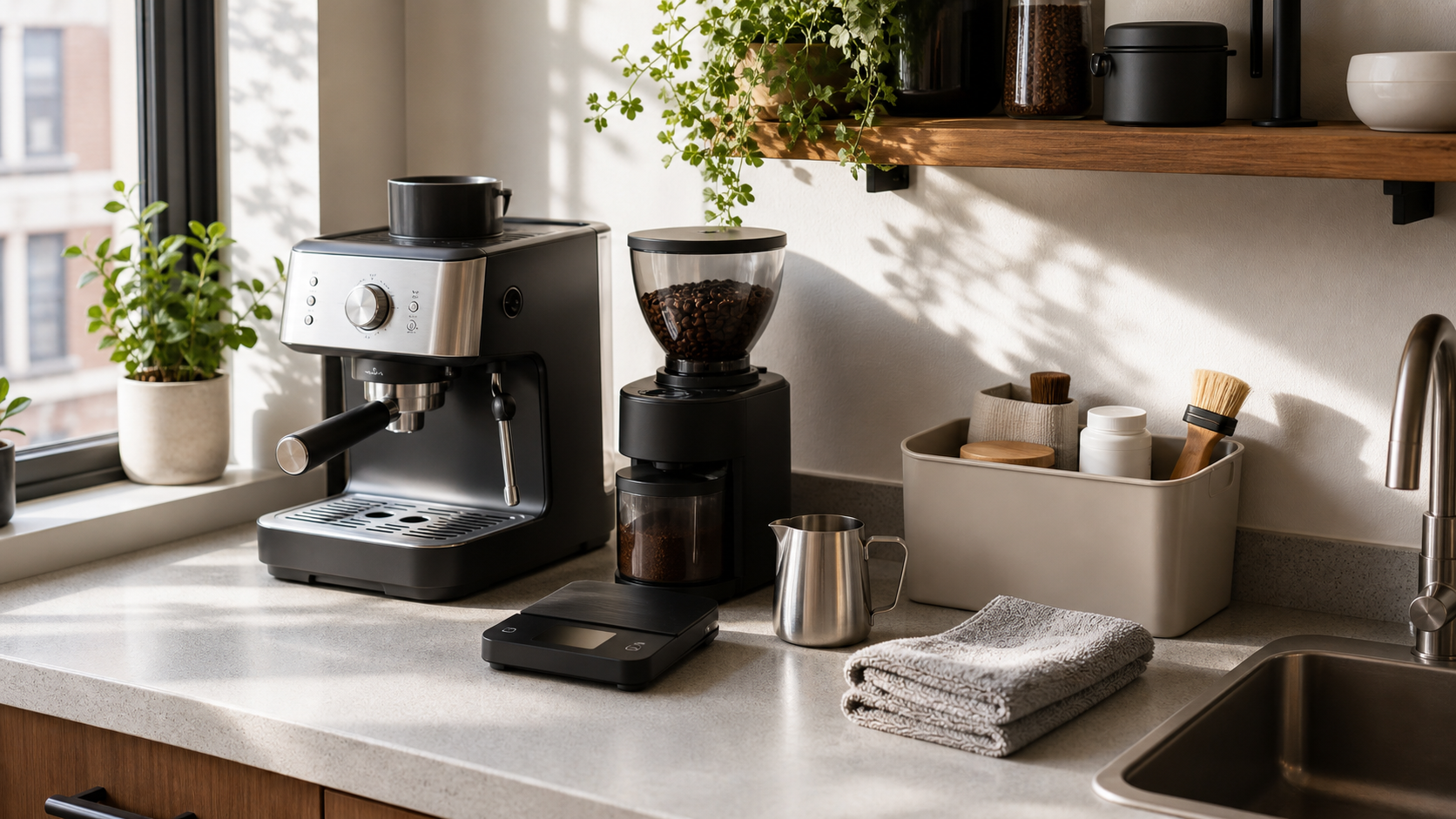
A beginner coffee bar does not need a full cafe counter. It needs one stable place for the machine, one grinder plan, one scale, a simple milk workflow if you make lattes, and the cleaning supplies your machine manual actually calls for.
For a small apartment, the best checklist is practical:
- choose the machine first
- leave room for the grinder and scale
- keep daily tools within one step
- store backup supplies away from the counter
- buy size-specific accessories only after you know your machine
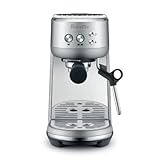
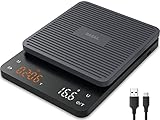
The Breville Bambino is the compact machine example in this checklist. The Baratza Encore ESP is the entry espresso grinder example. The BAGAIL BASICS Coffee Scale with Timer is the scale example. The Amrules 12oz Milk Frothing Pitcher is the milk tool example for one-drink routines. Urnex Liquid Dezcal is the cleaning supply example for machines whose manuals allow that style of descaler.
These are not the only possible products. They are role examples that help a beginner understand what a first coffee bar actually needs before buying decorative shelves, extra baskets, or a drawer full of tools.
If you are still comparing the full setup, read this with the beginner espresso setup under $500, best compact espresso machines for small kitchens, and best espresso accessories for beginners.
Who This Guide Is For
This guide is for:
- apartment renters setting up a first coffee corner
- small-kitchen users who need a short shopping checklist
- beginner espresso buyers who do not want to overbuy accessories
- latte and oat milk latte drinkers planning a simple daily workflow
- budget-conscious shoppers trying to separate essentials from nice-to-haves
This guide is not for:
- commercial cafe setups
- advanced home baristas building a large espresso bench
- people installing plumbed-in equipment
- buyers who already know their exact grinder, basket, and accessory preferences
- anyone looking for a decorative coffee bar before the daily routine is solved
The Need Behind This Checklist
The real beginner problem is not just "what should I buy?"
It is:
"What do I need on the counter, what can live in a drawer, and what should I skip until I know I will actually use it?"
Current product and user-discussion research points to a few repeated beginner mistakes:
- buying a machine and forgetting that espresso needs a grinder plan
- skipping a scale, then guessing every shot
- buying tampers, funnels, and baskets before confirming machine size
- setting the machine too far from the sink for milk cleanup
- storing cleaning supplies somewhere that is hard to find later
- copying a large coffee bar layout into a small apartment kitchen
This checklist is built around a smaller, safer idea: make the daily workflow easy first. A pretty station is useful only if the setup is easy to use, clean, and repeat.
Quick Picks
| Pick | Checklist role | Why it fits |
|---|---|---|
| Breville Bambino | Compact machine example | Small enough for many apartment counters and useful as the setup anchor |
| Baratza Encore ESP | Entry grinder example | Gives beginners an espresso-capable grinder path without a huge appliance footprint |
| BAGAIL BASICS Coffee Scale with Timer | Coffee scale example | Helps measure dose, output, and time instead of guessing |
| Amrules 12oz Milk Frothing Pitcher | Milk pitcher example | Simple one-drink pitcher for lattes, cappuccinos, and oat milk drinks |
| Urnex Liquid Dezcal | Cleaning supply example | A descaling supply to consider only if your machine manual allows this type of cleaner |
Do not treat this table as a one-click shopping cart. Check the current Amazon seller, exact model, dimensions, selected size, return policy, price, and availability before buying.
The Beginner Coffee Bar Checklist
Day-one essentials
Start with the pieces that make the coffee routine possible:
- coffee maker or espresso machine
- grinder plan
- coffee scale
- fresh coffee beans
- water source
- cup or small glass
- towel or microfiber cloth
- cleaning supply required by the machine manual
- one clear counter zone
- one storage spot for tools
For espresso, the grinder plan matters almost as much as the machine. That can mean a separate espresso-capable grinder, a machine with a built-in grinder, a manual grinder, or a short-term pressurized-basket path with pre-ground coffee.
For a beginner coffee bar, a scale belongs on the early list because it turns coffee from guessing into repeatable numbers. A scale also helps you notice when a cup changed because of dose, yield, or timing.
Milk drink essentials
If you make lattes, cappuccinos, or oat milk drinks, add:
- milk pitcher
- towel near the steam wand or frother
- sink access for quick rinsing
- small space for milk handling
- plan for storing oat milk or dairy milk
The sink matters more than most people expect. Milk tools become annoying when they sit dirty for even a short time. In a small apartment, the best milk workflow is the one you can rinse immediately.
Storage essentials
Plan storage before buying more gear:
- daily tools on one tray or in one caddy
- beans in a cabinet or container away from heat
- cleaning supplies separated from food
- spare filters, brushes, or tablets in a labeled spot
- accessories in one drawer, not scattered across the kitchen
Counter space should be for daily use. Backup coffee, spare cleaners, extra cups, and rarely used tools can usually live off the counter.
Things that can wait
These are useful for some people, but they do not need to be day-one purchases:
- bottomless portafilter
- precision basket
- puck screen
- WDT tool
- dosing funnel
- spring-loaded tamper
- tamping station
- knock box
- decorative shelves
- large coffee cart
- extra milk pitchers
- bean cellar
Some of these tools can improve the routine later. The reason to wait is simple: many accessories depend on the machine, basket size, grinder behavior, and your actual drink habits.
Product Notes
Breville Bambino
Best for: Compact machine example
Why it was selected:
The Breville Bambino is the machine example because it shows what a compact apartment espresso anchor can look like. Current Breville materials describe a narrow countertop footprint, a 54mm portafilter workflow, fast heat-up, included baskets, a milk jug, a tamper, and a manual steam wand. That makes it a useful reference point for beginners planning a small coffee bar around a real espresso machine instead of a decorative setup.
Good fit if:
- you want a compact machine that can stay on the counter
- you plan to learn espresso and milk drinks
- you have room beside it for a grinder and scale
- you want a machine that does not require plumbing
Skip it if:
- you want a built-in grinder in the same appliance
- you need the narrowest possible machine
- you do not want to learn manual milk steaming
- you are not ready to budget for beans, grinder planning, and cleaning
Small-space notes:
Measure the whole workflow, not just the machine width. You need room to fill the water tank, remove the drip tray, place a cup and scale, knock out grounds, wipe the wand, and rinse milk tools.
Amazon check:
Check current Amazon seller, exact model, selected color, dimensions, included accessories, return policy, price, and availability before buying.
Baratza Encore ESP
Best for: Entry grinder example
Why it was selected:
The Baratza Encore ESP is the grinder example because it gives beginners a clearer espresso-capable path than a general blade grinder or ordinary kitchen grinder. Current Baratza materials position the Encore ESP around an espresso workflow with simple hopper adjustment and an included dosing cup. For a small coffee bar, it is a useful example of a separate grinder that can sit near a compact machine without turning the counter into a large cafe station.
Good fit if:
- you want to use whole beans for espresso
- you are pairing a separate grinder with a compact machine
- you want a simple electric grinder workflow
- you also make other coffee styles sometimes
Skip it if:
- you want the quietest possible setup
- you prefer a manual grinder stored in a drawer
- you need a premium stepless espresso grinder
- you have no room for a second appliance beside the machine
Small-space notes:
A grinder adds sound, mess, and another footprint. Put it close enough to the machine that grounds do not travel across the kitchen, but leave enough room to remove the hopper or dosing cup easily.
Amazon check:
Check current Amazon seller, exact ESP model, color, dimensions, included dosing cup, return policy, price, and availability before buying.
BAGAIL BASICS Coffee Scale with Timer
Best for: Coffee scale example
Why it was selected:
The BAGAIL BASICS Coffee Scale with Timer is the scale example because a beginner coffee bar needs repeatable numbers. A scale helps you weigh beans, dose the portafilter, measure espresso output, and time a shot. The current Amazon listing shows a compact coffee scale with timer-oriented workflow and 0.1g-style measurement, which is the kind of basic feedback many beginners need before buying more accessories.
Good fit if:
- you want a scale for espresso and brewed coffee
- you need a timer without using your phone every time
- you want to learn dose and yield
- you have enough cup clearance under your machine
Skip it if:
- your machine has very little space under the portafilter
- you want a premium water-resistant espresso scale
- you need the smallest possible drip-tray scale
- you dislike touch-style controls
Small-space notes:
Before buying any scale, measure the space under the portafilter with your usual cup. A scale can look compact on the counter but still be too tall or too wide for espresso output weighing.
Amazon check:
Check current Amazon seller, exact dimensions, charging cable, weight capacity, return policy, price, and availability before buying.
Amrules 12oz Milk Frothing Pitcher
Best for: Milk pitcher example
Why it was selected:
The Amrules 12oz Milk Frothing Pitcher is the milk tool example because a small pitcher is enough for many one-drink latte and cappuccino routines. Current Amazon research shows a 12oz stainless pitcher listing with internal scale marks, a 304 stainless steel claim, and a latte art pen. The key point is not the pen; it is that beginners making milk drinks need a simple vessel they can rinse quickly.
Good fit if:
- you make one latte or cappuccino at a time
- you use a steam wand or handheld frother
- you want a basic stainless pitcher
- you need something easier to store than a large pitcher
Skip it if:
- you never make milk drinks
- you regularly make two large milk drinks at once
- you want a premium pitcher for serious latte art practice
- you prefer an electric frother instead of a separate pitcher
Small-space notes:
Store the pitcher near the sink or machine, not at the back of a cabinet. Milk tools need fast rinsing. If they are hard to clean immediately, the coffee bar will feel messy.
Amazon check:
Check current Amazon seller, selected 12oz size, material notes, return policy, price, and availability before buying.
Urnex Liquid Dezcal
Best for: Cleaning supply example
Why it was selected:
Urnex Liquid Dezcal is the cleaning supply example because beginners often remember the machine and forget maintenance. Current Amazon and Urnex research position this product as a liquid descaling solution for home coffee and espresso machines, but that does not make it universal. Descaling is about mineral buildup, and your exact machine manual decides what cleaner to use, how much to use, and how often to use it.
Good fit if:
- your machine manual allows liquid descaler
- your water and machine routine require descaling
- you want a dedicated cleaner instead of improvising with household products
- you can store cleaning supplies clearly away from food
Skip it if:
- your machine manual requires a different cleaner
- you need espresso cleaning tablets instead of descaler for the task
- you are not sure whether your machine supports this product
- you want one cleaner for every coffee bar surface and machine part
Small-space notes:
Keep descaler labeled and separate from food, beans, and daily drink tools. In a small cabinet, it is worth creating one maintenance spot so cleaning supplies do not get mixed into the coffee station.
Amazon check:
Check current Amazon seller, bottle size, label directions, return policy, price, and availability before buying. Before using it, confirm your exact machine model's descaling instructions.
How to Arrange a Small Coffee Bar
Start with the machine position. It should sit on the most stable part of the counter, close enough to water and the sink that filling, rinsing, and wiping are not annoying.
Then place the grinder. If you grind daily, the grinder should be close to the machine. If you grind occasionally or use a manual grinder, it can live in a drawer or cabinet.
The scale should be easy to grab. Many beginners bury the scale under accessories, then stop using it. Keep it near the machine or on the tray where you prepare coffee.
Milk tools should be close to the sink. A milk pitcher, frother whisk, and steam-wand towel should never be hard to rinse. This matters even more for oat milk, which can dry onto tools and make cleanup frustrating.
Cleaning supplies should be nearby but not visible on the daily tray. Put them in a labeled cabinet bin, small drawer divider, or separate maintenance pouch. The goal is to find them when needed without confusing them with food or drink tools.
For more layout ideas, use this checklist with 15 small coffee bar ideas for apartments and how to build a coffee bar in a small apartment.
What to Buy in Order
First: the core workflow
Buy or choose:
- machine or coffee maker
- grinder plan
- scale
- beans
- cup
- towel
- machine-specific cleaning supply
This gives you the ability to make coffee, measure it, and clean up.
Second: the drink-specific tools
Add:
- milk pitcher if you make milk drinks
- frother if your machine does not steam milk
- organizer if tools are spreading across the counter
- bean container if your coffee bag storage is messy
These should match your actual drink habits.
Third: the compatibility tools
Only after you know your machine, add:
- tamper upgrade
- dosing funnel
- WDT tool
- knock box
- puck screen
- extra basket
These can be good upgrades, but they are easier to buy correctly once you know your basket size, portafilter style, and daily workflow.
Common Mistakes
Buying the machine and forgetting the grinder. Traditional espresso needs grind control. If you skip the grinder plan, the machine may feel more frustrating than it should.
Buying accessories before the machine. A tamper that does not fit is clutter. Wait on size-specific tools until you know the portafilter and basket size.
Skipping the scale. A scale is one of the smallest tools, but it makes the whole routine easier to repeat.
Putting the coffee bar too far from the sink. Milk tools, drip trays, towels, and cleaning all need water access.
Using the wrong cleaner. Descaler, detergent tablets, grinder cleaner, and surface cleaner do different jobs. Follow your machine manual.
Leaving everything on the counter. A small coffee bar should separate daily tools from backup supplies. The counter should not become storage for every coffee item you own.
Copying a large coffee station. Apartment coffee bars work best when they are compact, washable, and realistic for weekday mornings.
FAQ
What does a beginner coffee bar need first?
Start with the machine or coffee maker, grinder plan, scale, beans, cup, towel, and the cleaning supply your machine manual requires. If you make milk drinks, add a milk pitcher or frother and keep it near the sink.
Do I need a grinder for a beginner coffee bar?
For traditional espresso with whole beans, yes, a grinder matters. You can start with pressurized baskets and pre-ground coffee in some beginner workflows, but a grinder gives you more control and a clearer upgrade path.
Do I need a coffee scale?
Yes. A scale helps you measure coffee dose, espresso yield, brew ratio, and timing. It is one of the most useful small tools for beginners because it reduces guessing.
What can I skip at first?
Skip large organizers, decorative shelves, bottomless portafilters, puck screens, extra baskets, and duplicate tools until you know the routine. Buy upgrades to solve real problems, not to fill a checklist.
What cleaning supplies should I buy?
Check your exact machine manual first. Some tasks require descaler, some require cleaning tablets, and some machines have model-specific routines. Do not assume one cleaner works for every job.
How much counter space do I need?
You need enough space for the machine, safe cup placement, scale use, grinder access, and cleanup. In many apartments, the better answer is not "more counter" but better separation: daily tools on the counter, backup items in a drawer or cabinet.
Should a coffee bar have a cart?
Only if the cart solves a real storage problem. A rolling cart can help renters, but it can also become clutter. Keep the machine on the most stable surface and use a cart for light supplies, not for unstable espresso prep.
How do I keep a small coffee bar from getting messy?
Give every daily item a home, rinse milk tools immediately, wipe grounds after grinding, store cleaning supplies separately, and remove accessories you do not use each week.
Disclosure
Apartment Barista uses Amazon affiliate links. As an Amazon Associate, this site earns from qualifying purchases. Prices and availability can change at any time and should be checked on Amazon before buying.